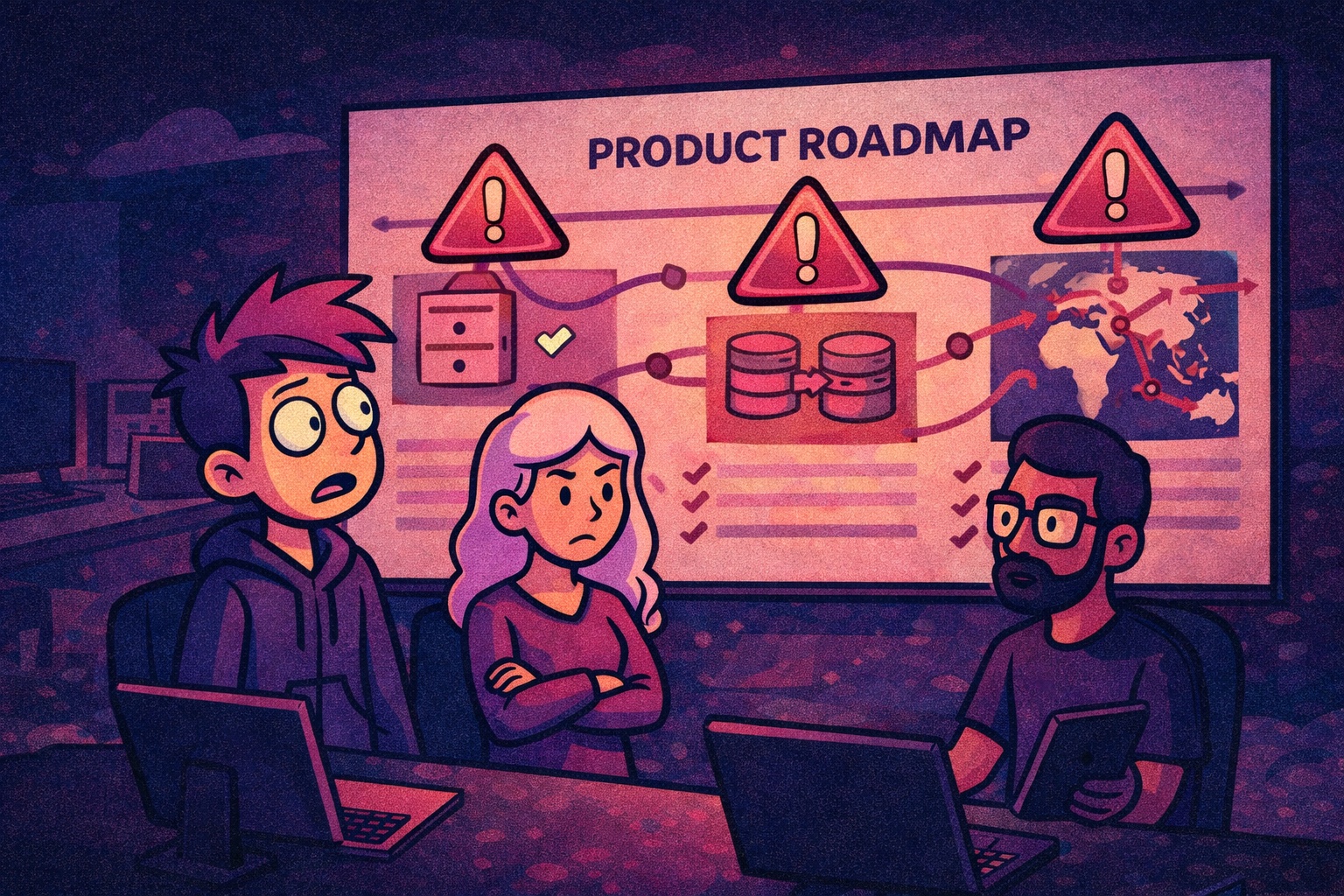
As a fractional privacy engineer working with development teams, I get called in after features are built and ready to ship, only to discover potential privacy problems. The scramble that follows creates challenges for everyone involved.
The good news is that there are clear red flags that signal when it is time to involve privacy expertise. Catching these early prevents costly redesigns, delayed releases, and regulatory complaints or fines.
Red Flag #1: You're Collecting New Types of Information
When your product expands data collection into new categories, the privacy risk profile changes significantly. Adding location tracking or biometric data to an existing system that previously only collected names and email addresses is not a routine feature addition. It warrants a risk assessment or privacy impact assessment before you ship.
Different data types carry different sensitivity levels. Health information, financial data, location history, and behavioural patterns all come with heightened obligations under most privacy laws. A proper assessment done early reveals gaps in your consent mechanisms or transparency practices before they become problems in production.
Red Flag #2: You're Joining or Combining Datasets
Combining datasets creates consent and lawful basis concerns that many development teams do not anticipate. Taking purchase history and merging it with third-party browsing behaviour data raises a critical question: does the original basis for collecting that data cover this new use?
The reasoning that trips teams up is straightforward enough to understand: the data exists, the technical capability exists, so using it must be fine. Unfortunately, privacy law does not work that way. Secondary use of personal data faces heavy restrictions across most privacy frameworks. The combination you are building may be technically possible without being legally permissible.
Red Flag #3: You're Moving Into New Territories
Cross-border data transfers require attention before infrastructure changes happen, not after. Different jurisdictions have incompatible privacy laws, and moving data across borders often triggers transfer mechanism requirements that take time to put in place properly.
This applies to both geographic expansion and to engaging new third-party vendors. Before you sign a contract or deploy changes that route data differently, a transfer impact assessment should be part of the process.
Building Privacy Into Your Process
Privacy reviews should be a standard component of feature planning, not an afterthought triggered by a compliance audit or a client asking uncomfortable questions. Teaching your development team to recognize these red flags and understand when to seek privacy input early in the development cycle is one of the highest-leverage investments you can make.
If you are noticing these patterns in your current pipeline and are not sure where to start, reach out.